Ilford Bulk Rubbish Disposal Permits and Council Fines
Posted on 18/08/2026

If you are trying to clear a sofa, a stack of builders' waste, or a full house load in Ilford, the rules can feel annoyingly tangled at first. Do you need a permit? What counts as bulk rubbish? And how do council fines actually happen? This guide on Ilford Bulk Rubbish Disposal Permits and Council Fines breaks it all down in plain English, with the practical details that matter when you are standing beside a heap of waste and just want the job done properly.
Truth be told, most problems come from simple misunderstandings: using the wrong type of skip, leaving rubbish where it obstructs the pavement, booking too late, or assuming a collection can happen without checking local requirements. A little clarity goes a long way. You will find that the difference between a smooth clearance and a stressful one is usually not the size of the pile, but the planning around it.
This article explains how permits and fines work, who needs them, what to avoid, and how to handle bulky waste in a way that is safer, tidier, and far less likely to trigger an enforcement issue.
Why Ilford Bulk Rubbish Disposal Permits and Council Fines Matters
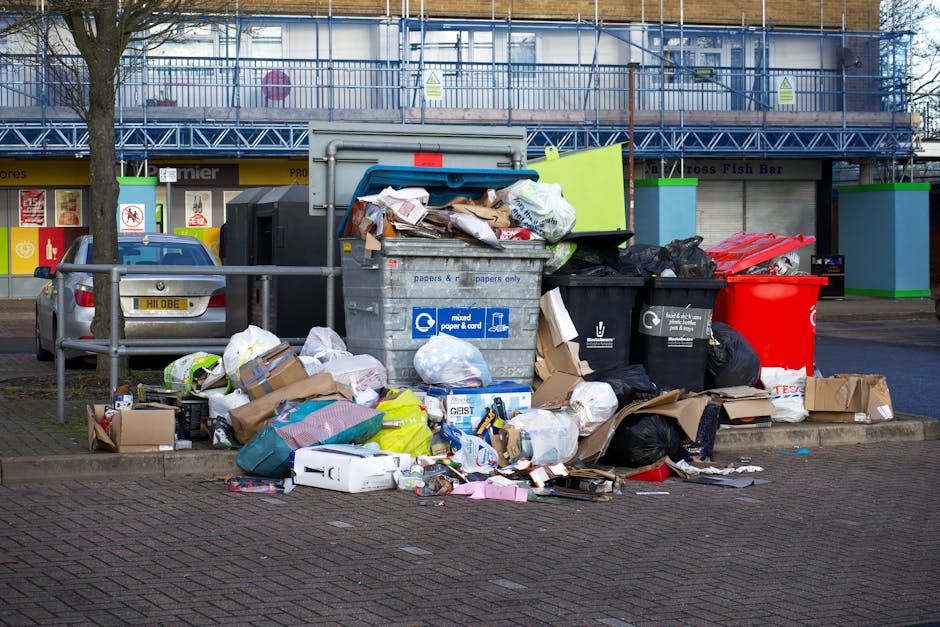
Bulk rubbish disposal sounds simple until you try to do it on a busy Ilford street. A mattress propped on the kerb, a wardrobe in pieces, or mixed renovation waste left outside a property can create access problems fast. That is where permit rules, council expectations, and potential fines all come into play.
The reason this matters is not just the possibility of paying more. It is also about avoiding disruption for neighbours, staying within the law, and making sure your waste goes to the right place. One small mistake can turn a straightforward clearance into a messy situation. And yes, the paperwork side can feel like overkill when you only want rid of a broken table. But local rules exist for a reason.
In practical terms, the main risks are:
- putting waste on a public road or pavement without the right permission
- using a skip or container that blocks access
- mixing restricted items with general rubbish
- failing to arrange licensed disposal
- receiving a fine or enforcement notice after an inspection or complaint
For households, landlords, shops, offices, and contractors, these issues are not theoretical. They happen when jobs are rushed. If you are already juggling a move, renovation, or office clear-out, it helps to understand the rules before the waste starts piling up. If that wider context is useful, our guide to Redbridge council rubbish rules for Ilford properties gives a good local starting point.
How Ilford Bulk Rubbish Disposal Permits and Council Fines Works
Bulk waste rules usually come down to location, placement, and responsibility. If rubbish is kept entirely on private land and removed through a properly arranged service, the process is often quite straightforward. Once waste is placed on a public highway, pavement, verge, or other shared space, permission may be needed. That is the point where permits and conditions become important.
There are a few common scenarios:
- Private driveway or garden clearance. Waste is stored on your property and collected from there. This normally reduces permit issues, although access and safety still matter.
- Skip or container on the road. A permit may be required because the container occupies public space. Time limits, positioning, lights, and signage can all be relevant.
- Bulky waste placed out for collection. If items are left outside too early, too long, or in a way that blocks movement, they can attract complaints or enforcement.
- Fly-tipped waste or abandoned rubbish. This is different again. The council may investigate, and if the waste appears connected to a property or business, questions can follow.
Fines generally arise when waste rules are ignored, not when you make a genuine effort to do things properly. Still, that is little comfort if you have left a pile of plasterboard where pedestrians need to pass. Let's face it: a street full of bins, parked cars, and morning traffic does not leave much margin for error.
It also helps to distinguish between a permit and a service booking. A permit is permission to place or move something in a controlled way. A booking is simply the arrangement of who collects the waste and when. They are related, but not the same thing. Many disputes happen because someone assumes a collection company has dealt with every local requirement. Sometimes it has. Sometimes it has not. Ask directly.
If you are coordinating a larger clearance, our services overview can help you think through the different disposal routes before you choose one.
Key Benefits and Practical Advantages
Getting the permit side right is not just about avoiding trouble. It often makes the whole job easier. The right plan can save time, reduce mess, and stop the kind of last-minute panic that happens when everyone is standing around waiting for the waste to disappear.
- Lower risk of fines. Proper placement and proper disposal reduce the chance of enforcement problems.
- Smoother collection. Waste that is accessible and well organised is usually removed faster.
- Better neighbour relations. Nobody enjoys a blocked pavement or a pile of broken furniture outside their front door.
- Cleaner handover. This matters especially for tenants, landlords, and sellers getting a property ready for inspection or sale.
- More predictable costs. Once you understand what needs permission and what does not, surprise charges are less likely.
There is also a quieter benefit: peace of mind. When you know the waste is handled properly, you stop worrying about whether the council will spot it, whether someone will complain, or whether the collection team can actually get to it. That mental load is real. Not glamorous, but real.
For bulky household items specifically, a proper clearance can be much easier than trying to break everything down yourself. If you are dealing with old wardrobes, sofas, or mixed bulky items, our furniture disposal in Ilford page may be useful as a practical next step.
Who This Is For and When It Makes Sense
This topic matters to more people than you might think. Bulk rubbish rules are not only for contractors with skips on the road. They affect ordinary households, landlords, local businesses, and anyone trying to clear space quickly without creating a nuisance.
Homeowners and tenants
If you are decluttering a loft, replacing furniture, or clearing out after a move, you may need to think about where the rubbish is stored and how it will be removed. A driveway clearance is one thing. A roadside pile is another.
Landlords and letting agents
End-of-tenancy waste is a classic pressure point. A flat can look empty on paper and still contain bags, broken items, or old appliances once the keys are handed back. If you are preparing for a sale as well, our selling your home in Ilford article may also be relevant because time and presentation matter.
Builders and tradespeople
Construction waste can trigger the most confusion. Plasterboard, timber, rubble, and packaging all behave differently in practice, and access on Ilford roads is not always generous. A dropped load on the pavement is exactly the sort of thing neighbours notice at 7:30 on a wet weekday morning.
Shops, offices, and small businesses
If you are clearing stock, old fittings, office furniture, or refurbished space, you need a disposal plan that does not interrupt foot traffic or create safety issues. That is especially true around busier parts of town. For a related business context, see Ilford Broadway shop rubbish collection for small businesses.
When it makes sense to act early
If your waste is likely to sit outside overnight, if access is tight, or if the pile is large enough to need multiple lifts, plan early. Early planning is boring, admittedly. It is also where you save the most stress.
Step-by-Step Guidance
Here is a practical way to approach bulk rubbish disposal in Ilford without tripping over the common traps.
- Identify the waste type. Separate furniture, garden waste, renovation debris, electrical items, and general rubbish. Mixed waste is where confusion starts.
- Decide where it will sit before collection. Private land is usually simpler than public space. If the waste must touch the road or pavement, pause and check whether permission is needed.
- Measure access properly. Look at gates, stairwells, alleyways, and parking restrictions. A van that cannot reverse or a skip that cannot be sited cleanly will slow everything down.
- Check whether a permit may apply. If you are using a skip or any container occupying public land, confirm the requirement before booking. Do not leave this to the day of collection.
- Choose a licensed, insured service. This matters because legitimate disposal is part of the protection you need. Waste should not vanish into somebody else's problem.
- Prepare the items. Dismantle large pieces where sensible, remove loose contents, and keep hazardous materials separate. A little prep can make a big difference.
- Keep the site tidy until pickup. Bags should be closed, sharp edges managed, and anything likely to blow away secured. Windy days do not help, as anyone who has chased cardboard down a road knows.
- Get confirmation of what is included. Ask how the service handles loading, restricted items, and disposal. That avoids the awkward "I thought that was included" conversation later.
If your job is more complex, such as a full property clearance, our house clearance in Ilford page is a useful reference point for the kind of planning a bigger job needs.
Expert Tips for Better Results
A few small habits can make bulk waste disposal smoother and cheaper. These are the things people learn the hard way, usually after one annoying mistake. Better to borrow the lesson.
- Don't wait until the pile is blocking the hallway. The moment access starts to get tight, your options narrow.
- Photograph the waste before collection. It helps with quoting and prevents disagreements about volume or condition.
- Group similar items together. Furniture with furniture, green waste with green waste, rubble with rubble. It keeps loading faster.
- Check parking and loading space first. This matters more than people think in Ilford, especially on busier residential streets.
- Ask about timings. Morning traffic, school runs, and delivery vans can all affect the practicality of a clearance.
- Be careful with hazardous items. Paints, chemicals, gas canisters, and similar materials need special handling.
One thing we see often is people underestimating the access challenge. They have the waste sorted, the service booked, and then discover there is nowhere sensible for the vehicle to stop. That can become a real headache. If access is tight near your property, our article on common problems with Ilford rubbish collection access is worth a look.
Another practical tip: do not assume the cheapest quote is the safest one. If a price looks unusually low, ask what it excludes. Hidden extras usually hide in access charges, labour assumptions, or disposal limitations. There is no prize for being the person who learns that at 4 p.m. on a Friday.
Common Mistakes to Avoid
Most fines and avoidable problems come from a small set of recurring mistakes. Knowing them helps more than any fancy terminology.
- Leaving rubbish out too early. Even if collection is booked, waste left on public land can still attract attention.
- Assuming every service handles permits. Some do, some do not, and some only do under specific conditions.
- Blocking a pavement or drop kerb. This creates safety and access issues immediately.
- Mixing prohibited or specialist waste into a general load. That can delay collection and increase disposal complexity.
- Using unlicensed disposal routes. This is risky and can lead to enforcement problems if the waste is traced back to you.
- Not checking if the waste is too bulky for normal collection. Councils and private services often treat bulk items differently from bagged waste.
A smaller but surprisingly common issue is booking delays. People choose a collection date, then realise they have not finished sorting the room. Or the lift is out. Or the storage cage is locked. Tiny things. Annoying things. If that sounds familiar, our booking delays for rubbish collection in Ilford and fixes article tackles the practical side of that problem.
And yes, one more: do not rely on vague assumptions like "it should be fine." That phrase has probably caused more avoidable waste headaches than anything else.
Tools, Resources and Recommendations
You do not need a complicated toolkit to manage bulk rubbish well, but a few simple things help a lot.
- Measuring tape or laser measure. Useful for checking access, item size, and whether furniture needs dismantling.
- Marker pen and labels. Handy for sorting items into keep, donate, recycle, and dispose piles.
- Phone camera. Quick photos make quoting and planning much easier.
- Protective gloves and sturdy footwear. Especially useful if you are moving broken furniture or builders' waste.
- Basic trolley or sack barrow. Good for moving heavy items through flats or hallways.
- Clear booking notes. Keep access instructions, collection time, and item list in one place. Old-school, but effective.
For readers comparing waste options, the following pages can help you judge what route fits best:
- general waste collection in Ilford
- builders waste disposal in Ilford
- garden waste removal in Ilford
- office clearance in Ilford
These are not interchangeable, and that is the point. A garden clearance is not the same as a desk-and-filing-cabinet clear-out. Matching the method to the waste type is one of the simplest ways to avoid trouble.
Law, Compliance, Standards, or Best Practice
For compliance, the safest approach is to treat all waste as your responsibility until it has been collected by a reputable operator or taken to an approved disposal route. In the UK, local councils can enforce rules around obstruction, fly-tipping, improper storage on the highway, and waste that creates a public nuisance. Exact procedures vary, so the best practice is always to confirm local requirements before you place anything outside.
There are a few broad standards worth keeping in mind:
- Do not obstruct public access. Pavements, roads, dropped kerbs, and shared entrances need to remain usable.
- Use proper handling for hazardous or specialist waste. Some items need separate treatment and should never be bundled with ordinary household rubbish.
- Keep records where sensible. Booking confirmations, photos, and invoices can help if there is any question later.
- Work only with safe, insured, and legitimate waste handlers. That reduces your risk if something goes wrong.
If you want to understand the wider standards behind service quality and responsible handling, our pages on insurance and safety and recycling and sustainability explain the principles we apply in everyday work.
Compliance does not have to feel intimidating. Mostly, it means staying organised, being honest about the waste you have, and not making assumptions about the road outside your property. That is really the heart of it.
Options, Methods, or Comparison Table
Different waste situations call for different methods. Here is a straightforward comparison to help you choose.
| Method | Best for | Main advantage | Main caution |
|---|---|---|---|
| Private property collection | Household bulky items, clear access, quick pickups | Usually simpler and lower risk | Requires enough space and good access |
| Skip hire on public land | Projects with ongoing waste output | Convenient for multi-day jobs | May need a permit and careful placement |
| Man-and-van style clearance | Furniture, mixed household waste, smaller loads | Fast and flexible | Needs clear item details to quote accurately |
| Full clearance service | Probate, move-outs, office emptying, large homes | Takes pressure off the client | Needs more planning and accurate scope |
In many Ilford situations, the simplest option is the one with the fewest permission issues. If the waste can be removed from private land in one visit, that often beats a more complicated roadside setup. On the other hand, a long renovation can justify a more structured arrangement. There is no single best method. It depends on the site, the volume, and the timescale.
Case Study or Real-World Example
Here is a very typical scenario. A family in Ilford is preparing to sell a property and needs to clear an old sofa, a broken wardrobe, three boxes of mixed household clutter, and some leftover packaging from repairs. At first, they consider putting everything outside on the pavement the night before collection because it seems easier. Sensible enough on paper. Not ideal in practice.
After checking access, they realise the front path is narrow and the street gets busy early. Instead of leaving items exposed, they move everything onto the driveway, separate the furniture from the smaller waste, and book a collection that can load directly from private land. The result is simple: no obstruction, no complaints from neighbours, and no awkward questions about whether the waste was left out legally.
Now compare that with the version where the sofa is left half on the pavement and half in the road because "it would only be for one night." That is the kind of small decision that can cause trouble. A neighbour reports it. The crew cannot access it safely. The weather turns. Suddenly the job is harder and everyone is annoyed. Not dramatic. Just messy in the everyday way life often is.
This is why planning matters more than size. A modest, well-managed load is easier than a chaotic pile three times as large. If the waste includes furniture, you may find our dedicated furniture disposal in Ilford page useful for shaping the next step.

Practical Checklist
Use this quick checklist before you book or place any bulk waste outside.
- Have I confirmed exactly what needs disposing of?
- Is the waste staying on private land, or will any part touch public space?
- Do I need a permit for a skip or container?
- Have I checked access for vans, loaders, or containers?
- Are any items hazardous, electrical, or specialist waste?
- Have I sorted items into separate groups where possible?
- Have I asked what is included in the quote?
- Do I know the collection time and how long the items can stay in place?
- Have I taken a few photos for reference?
- Am I working with a licensed, insured provider?
If you can tick most of those boxes, you are already ahead of the usual curve. That is the honest truth. A bit of prep saves a lot of bother.
Conclusion
Ilford Bulk Rubbish Disposal Permits and Council Fines are really about one thing: managing waste in a way that is lawful, safe, and sensible for the space you are using. If the rubbish stays on private land and is removed properly, your job is much easier. If it touches public space, causes an obstruction, or is handled carelessly, the risk of problems rises quickly.
The good news is that this is manageable. Check access early, understand whether permission is needed, keep bulky items organised, and choose a disposal method that fits the site rather than fighting it. That simple habit can save time, money, and a fair bit of stress.
Whether you are clearing a single sofa or dealing with a larger project, the safest route is usually the one that looks slightly less exciting but works properly. Boring can be brilliant, honestly.
Get a free quote today and see how much you can save.
And if you are still in the middle of the mess, take a breath. A clear plan makes even a very cluttered day feel more manageable.
 Tipper Van - Rubbish Removal and Waste Collection Prices in Ilford, IG1
 Luton Van - Rubbish Removal and Waste Collection Prices in Ilford, IG1


